
Corn is the most common field crop in Ukraine, therefore, to ensure high and stable grain production, high-quality and timely implementation of all agrotechnical measures is required. Of course, in the technology of growing corn, special attention should be paid to the scientifically based use of fertilizers, which will ensure proper growth and development of plants, and, consequently, the profitability of production. It is important to do and rely on soil tests to ensure you have accurate information about the right amount of nutrients to apply.
Nitrogen (N) is a chemical element that, of course, has a dominant effect on productivity, but the content in the soil of a sufficient amount of phosphorus (P2O5), potassium (K2O), calcium (CaO), magnesium (MgO), sulfur (S) and a number of microelements is an extremely necessary and very important condition for the passage of key physiological processes: photosynthesis and respiration, as well as providing the necessary water balance, plant resistance to high and low temperatures and drought, their resistance to various diseases. These processes and the indicated positive properties of plants directly correlate with the yield of corn grain and its quality.
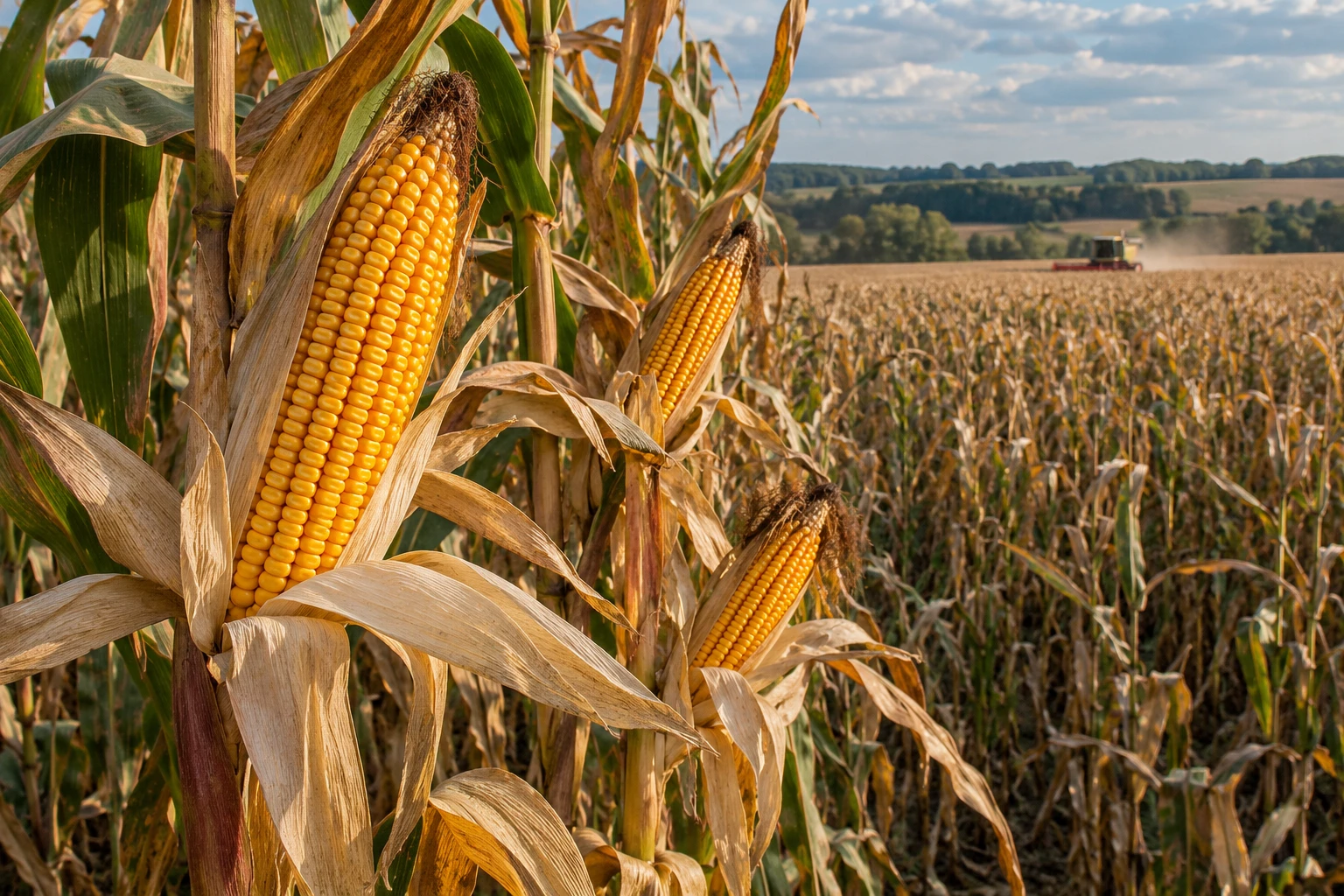
It is known that to form 1 ton of grain, modern corn hybrids remove from the soil the following amount of nutrients: 24-32 kg of nitrogen, 10-14 kg of phosphorus, 25-35 kg of potassium, 6-10 kg of magnesium and calcium, 3-4 kg of sulfur, 200 g of iron, 110 g of manganese, 85 g of zinc, 14 g of copper, 11 g of boron, 0.9 g molybdenum.
The dynamics of nutrient absorption by corn is as follows: from the beginning of the growing season until flowering, plants absorb nitrogen and potassium more intensively, while phosphorus more evenly. Fertilizer rates depend on the planned yield of this agricultural crop, soil fertility (according to agrochemical analyses), hybrid, predecessor, amount of plant residues left, soil cultivation system, reserves of available moisture in a meter layer and calculations of the possible economic efficiency of using fertilizers.
The calculated fertilizer rate should be distributed in such a way that in the autumn, before the main treatment, almost the entire amount of necessary phosphorus and potassium (or at least most of them, that is, 2/3) is added to the soil. Part of the nitrogen norm in ammonium, ammonia or amide forms can be added to the main fertilizer. The residual amount of nutrients from the calculated norm of mineral fertilizers should be used in the spring: approximately 1/3 of phosphorus and potassium are added to pre-sowing and pre-sowing (linear) fertilizers. Using a seeder, you need to add the main elements of mineral nutrition to plants - NPK, but the most important at present is phosphorus. Almost all nitrogen is used in pre-sowing cultivation or for feeding corn, in the development phases of 3-4 and 6-7 leaves of the crop.
Successful farmers in many European countries, including Ukraine, have long been convinced: the scientifically based use of complex mineral fertilizers Elixir Zorka in agricultural production technologies ensures a stable increase in corn grain yields, its quality and, accordingly, production profitability.
The range of mineral fertilizers Elixir Zorka includes a number of different formulations, which in their content of macro- and microelements and their ratio correspond to the biological requirements of corn.
Recommended fertilizers
Fertilizer NutriMAP NP 10:40 + 2.5% Ca + 10% SO₃ + 0.1% Zn belongs to the product line PREMIUM. It features a well-balanced ratio of nitrogen (N) and phosphorus (P), especially suitable for use on soils deficient in phosphorus (P). By using this fertilizer, we enable corn to germinate faster, take root and develop uniform growth. NutriMAP significantly affects the level of yield, and therefore greater safety of agricultural production.
In its ratio, the fertilizer NPK 6:24:12 + 2.5% Ca + 12.5% SO₃ + 0.05% Zn is a perfectly balanced formula for achieving high-quality and high yields of corn. Nitrogen (N) is in the form of ammonium, which, in addition to being highly effective, is much more resistant to leaching from the soil, especially leaching. Phosphorus (P) plays an important role in the development of strong root systems and is involved in energy transport processes within plants. The role of potassium (K) is to regulate and maintain water regime and pressure in plants, affecting greater tolerance to stressful conditions, especially drought. The macroelements sulfur (S) and calcium (Ca) and the trace element zinc (Zn) additionally stimulate numerous physiological processes in the plant.
Using starter fertilizer SuperStart
Excellent results over many years of field testing were achieved thanks to the use of technology - the starting microgranular fertilizer Super Start. Using SuperStart NP 10:45 +12% SO₃ + 1% Zn together with sowing in rows using applicators, stability and high yield are ensured production. Thanks to Super Start fertilizers, which were applied in an amount of 25-30 kg/ha of physical weight, corn plants developed faster and more evenly, especially in the initial stages of growth and development, the average yield increase was up to 10%.

Topics


